

ARTICLES & INSIGHTS
Practical guidance for healthier relationships
Explore compassionate, research-informed articles about mental load, communication, intimacy, partnership, motherhood, and personal growth.

FEATURED ARTICLE
MARCH 28, 2026
How Parenthood Magnifies Imbalance
Parenthood can widen small inequalities into major divides. Explore how couples can recognize the imbalance, share ownership, and reconnect before survival mode becomes the norm.
Find the guidance you need
BROWSE BY TOPIC
Insights for everyday relationships
LATEST ARTICLES

Article 32: How Parenthood Magnifies Imbalance
Before children, many couples operate in a flow that feels balanced enough. The division of labor might not be perfect, but it’s manageable. Then comes parenthood — and suddenly, the cracks widen. What was once a minor imbalance becomes a gaping divide. Parenthood magnifies inequality in labor, emotional load, and time — and it often happens so fast that couples don’t realize it until they’re in survival mode.
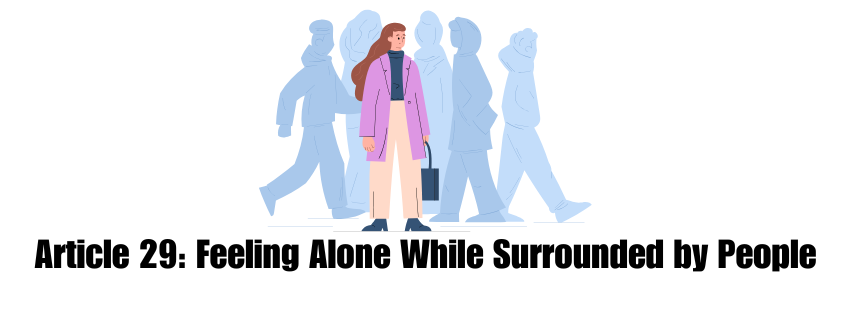
Article 29: Feeling Alone While Surrounded by People
There’s a particular kind of loneliness that doesn’t come from being physically alone — it comes from carrying too much, unnoticed, in the presence of others. This form of emotional isolation is common among those who hold the mental and emotional weight of their households. They’re surrounded by people they love, yet feel invisible in the very systems they maintain.

Article 27: Burnout from Overfunctioning
Overfunctioning is what happens when one partner consistently takes on more than their share — not just out of love, but out of necessity. It’s stepping in to fix, manage, support, and smooth everything over because it feels like no one else will. And while it may seem admirable on the surface, overfunctioning is a fast track to emotional burnout.
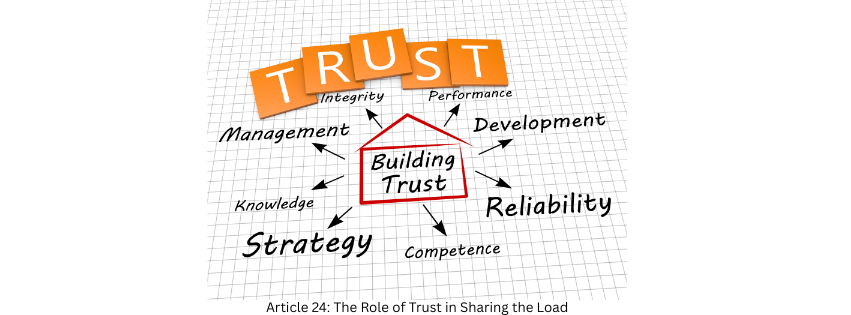
Article 24: The Role of Trust in Sharing the Load
At the heart of a balanced relationship is trust — not just emotional trust, but practical trust. Sharing the mental and emotional load requires believing that your partner will notice what needs to be done, take responsibility without reminders, and care about the outcome as much as you do. When that trust is missing, even well-meaning attempts to share the load can backfire. Rebuilding that trust is key to restoring connection.

Article 22: How Resentment Builds Silently
In many relationships, resentment doesn’t begin with a fight — it begins with silence. It starts with small moments of unmet needs, unnoticed contributions, and unbalanced labor. When one partner repeatedly carries more responsibility, emotionally and mentally, and the other doesn’t recognize it, frustration begins to grow beneath the surface. Over time, this frustration turns into resentment — a quiet, corrosive force that slowly erodes connection and trust.

Article 20: Masculine vs. Feminine Emotional Expectations
Every person has emotional needs — to be heard, understood, valued, and comforted. But cultural expectations around masculinity and femininity shape how those needs are expressed, acknowledged, and responded to in relationships. In heterosexual dynamics, these emotional expectations often differ drastically, contributing to uneven emotional labor and mental load. Understanding these patterns is key to creating mutual emotional support.

Article 19: Gender Scripts in Heterosexual Relationships
Every couple enters a relationship with a set of assumptions — many of which are never explicitly discussed. These assumptions are part of what researchers call "gender scripts": culturally conditioned expectations about how men and women are supposed to behave in romantic relationships. Gender scripts influence everything from who plans dates to who sacrifices career opportunities for the family. Left unexamined, they can create deeply ingrained patterns that reinforce inequality and mental load imbalance.

Article 17: How Men Can Unlearn Patriarchal Habits
Patriarchy doesn’t just impact women — it also limits men. In heterosexual relationships, many men carry the unconscious influence of patriarchal habits: ideas about gender, leadership, emotional restraint, and division of labor that shape how they engage at home. Unlearning these habits is not a matter of guilt or shame — it’s an opportunity for growth, empathy, and real partnership.

Article 15: Stereotypes Around "Nagging" and Domestic Leadership
One of the most damaging and persistent stereotypes in relationships is the image of the “nagging” woman. This trope doesn’t just trivialize women’s voices — it undermines their leadership at home and reinforces gender imbalances in mental and emotional labor. By labeling women’s reminders, requests, and concerns as nagging, society trains men to dismiss rather than engage. This dynamic harms connection, communication, and equity in partnerships.

Article 12: Cultural Expectations of Women vs. Men
Explore how cultural norms shape gender roles, mental load, and emotional labor — and how couples can rewrite these outdated scripts for real equality.

Article 11: Imbalance of Power Between Men and Women
Introduction At the core of the mental load conversation lies an uncomfortable truth: power in heterosexual relationships is often unequally distributed. This imbalance isn’t always about who earns more or who makes the final decisions. It often hides in more subtle places — like who is expected to plan, manage, and emotionally tend to the household. Understanding how this power imbalance shows up is essential to building a truly equal partnership.

Article 9: Gendered Assumptions About Task Ownership
Introduction In many households, who does what isn’t just based on skills or availability — it’s rooted in deeply ingrained beliefs about gender. These beliefs, often unspoken, shape who is expected to notice what needs to be done, who takes charge without being asked, and who feels responsible when things slip through the cracks. Understanding these assumptions is essential to dismantling the mental load imbalance.

Article 3: Differences Between Mental and Physical Labor
Introduction When people think about work around the house, they usually think of physical tasks — vacuuming, cooking, mowing the lawn. These are visible and often praised when completed. But there’s another type of work that often goes unnoticed: mental labor. Understanding the difference between these two kinds of labor is essential for creating a balanced relationship.