
ARTICLES & INSIGHTS
Practical guidance for healthier relationships
Explore compassionate, research-informed articles about mental load, communication, intimacy, partnership, motherhood, and personal growth.
Find the guidance you need
BROWSE BY TOPIC
Insights for everyday relationships
LATEST ARTICLES

Gendered Expectations in Parenting Styles
Expectations about mothers and fathers can shape who plans, comforts, and carries the mental load. Explore how these parenting roles affect families and how shared ownership can model more equal caregiving for children.

The Emotional Toll of Being the "Go-To" Person
Every household has someone who’s the default. The go-to person. The one everyone turns to when something needs doing, when something breaks, when emotions run high, or when someone forgets. For many women, that role becomes more than a responsibility — it becomes an identity. And over time, it takes a toll.

Imbalance of Power Between Men and Women
Power imbalances can appear in who plans, manages, and adjusts to keep a household running. Explore how mental load reflects these patterns and why sharing responsibility matters for a more equal partnership.

Gendered Assumptions About Task Ownership
Unspoken beliefs about gender can shape who notices, initiates, and takes responsibility for household tasks. Explore how these assumptions contribute to an unequal mental load and why task ownership involves more than doing the work.

Reviewing Tasks and Mental Checklists
Running through checklists, double-checking tasks, and anticipating what comes next are often invisible parts of household management. Explore why this constant mental reviewing is work, even when someone appears to be resting.

Delegating Responsibilities and the Emotional Toll
Delegating a chore can still leave one partner responsible for planning, explaining, and following up. Explore why handing off tasks may add to the mental load and how shared ownership can ease that burden.
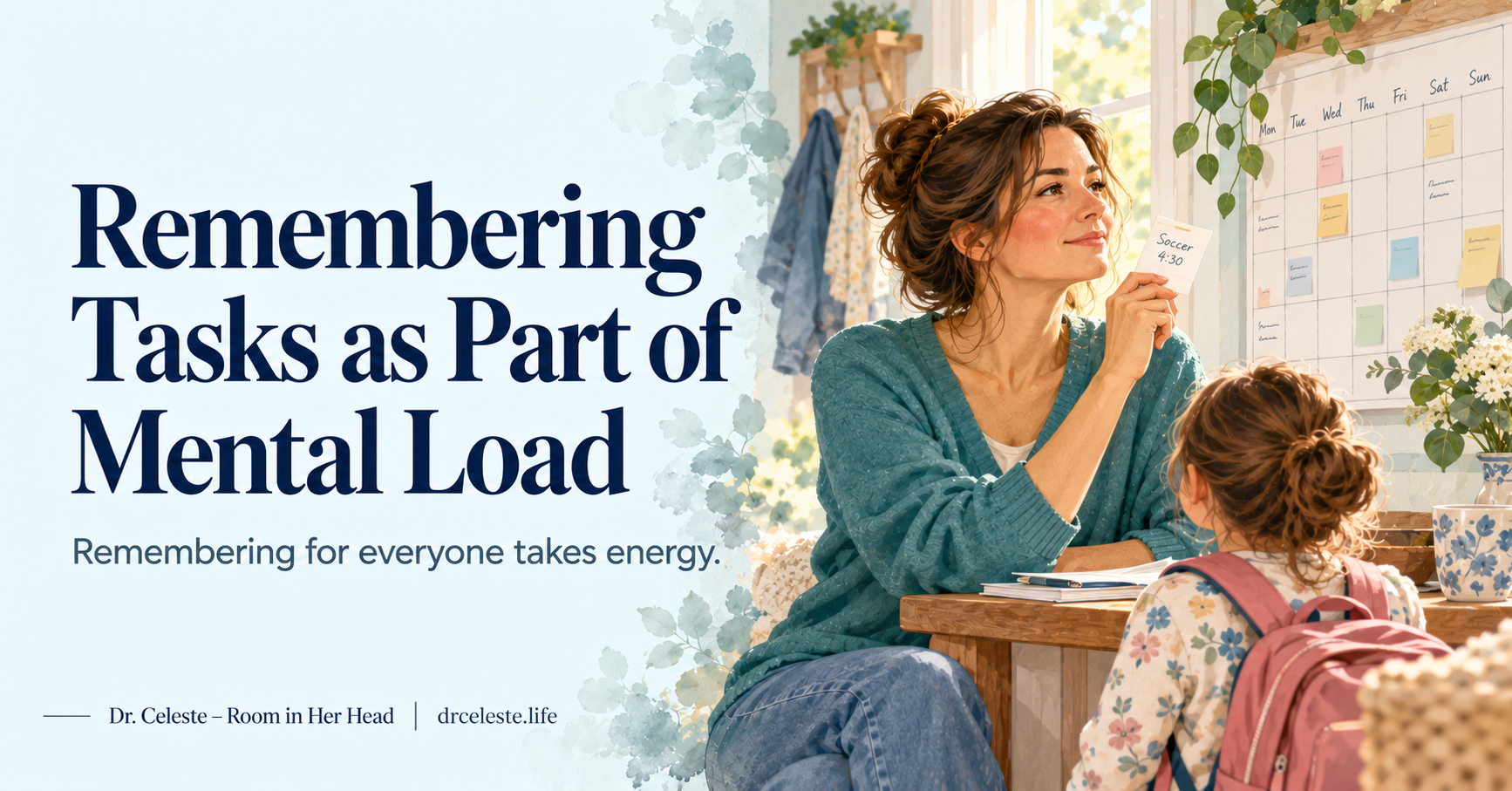
Remembering Tasks as Part of Mental Load
Remembering appointments, deadlines, preferences, and household needs takes ongoing attention. Explore why keeping track of everyone’s life is an active part of the mental load, even when that work goes unseen.